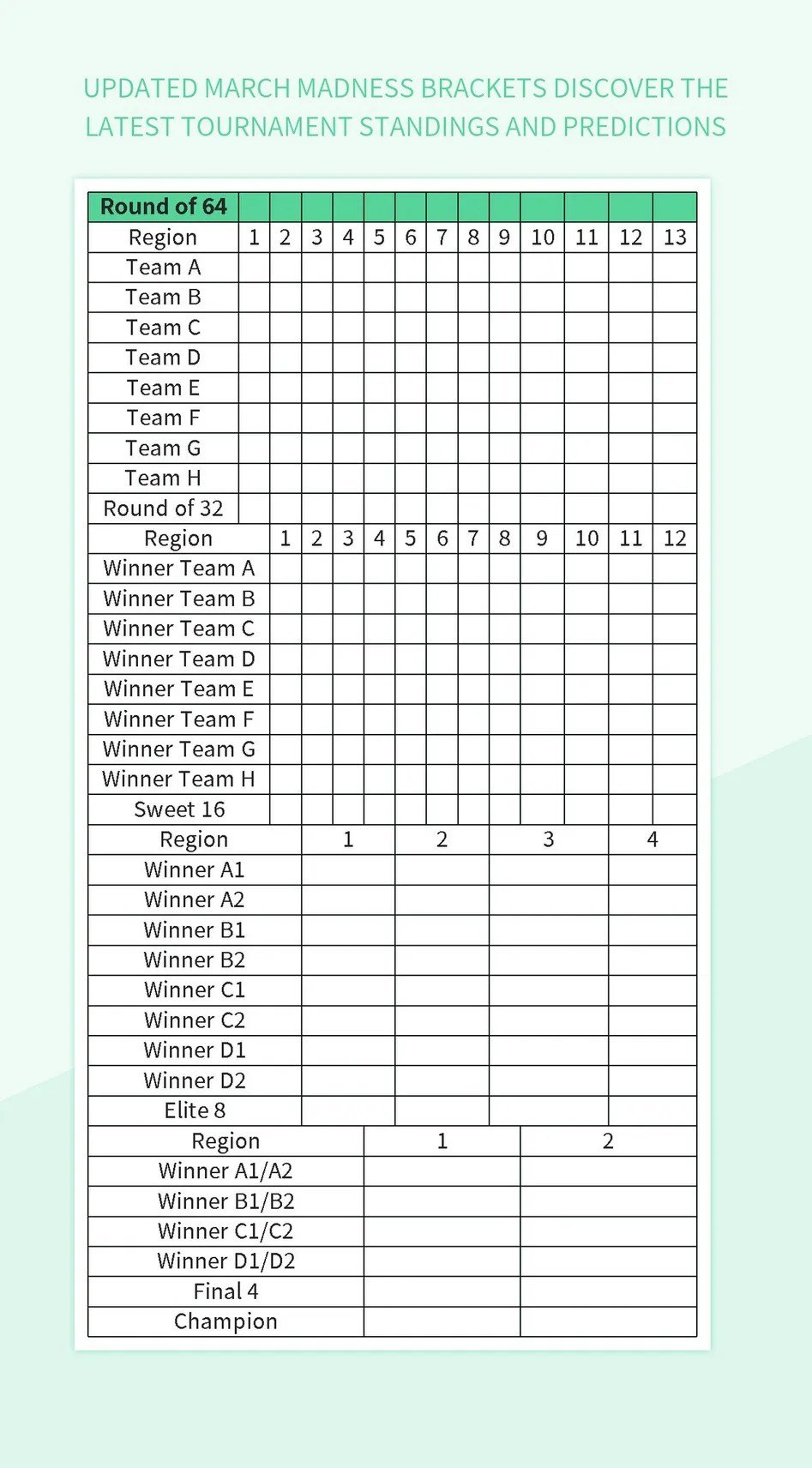
The thrill of watching a nail-biting match, the roar of the crowd, the dramatic clutch play—it all culminates in one thing: the League & Tournament Standings. These aren't just cold, hard numbers; they're the pulse of competition, revealing stories of triumph, struggle, and the relentless pursuit of victory. Whether you're a casual fan following your favorite team or a dedicated analyst dissecting every detail, understanding standings is key to truly appreciating the competitive landscape.
From the global stage of League of Legends esports, where millions tune in for the Mid-Season Invitational and World Championship, to the fiercely contested regular season of the NBA, standings dictate who advances, who faces elimination, and ultimately, who gets to lift the trophy. They are the definitive scoreboard, reflecting the journey of every team and player through the crucible of competition.
At a Glance: Your Guide to Standings
- Standings are your roadmap: They show who's winning, who's losing, and where every team ranks.
- It's more than just wins: Columns track win percentages, streaks, and often deeper performance metrics.
- Formats matter: Round-robin, Swiss, and elimination brackets each use standings differently to determine progression.
- Tiebreakers are crucial: When teams have identical records, specific rules (like head-to-head or point differential) break the deadlock.
- Qualification pathways: Regional league standings often determine which teams get to compete on the international stage.
- Beyond the pros: Community and amateur tournaments also rely on clear standings for fair play and advancement.
The Unseen Story: Why Standings Are More Than Just Numbers
Think of league and tournament standings as the ultimate narrative summary. Every win, every loss, every dominant performance or narrow defeat reshapes the story. They reflect the aggregate performance of a team or player over a defined period, painting a clear picture of their success and consistency. Without them, the competitive journey would be a series of disconnected games, devoid of context or consequence.
In esports, particularly for a titan like League of Legends (LoL), standings are the backbone of its global competitive infrastructure. From the individual player's climb through ranked matchmaking to the professional teams battling for international glory, performance is meticulously tracked. Organizations like Riot Games have built an intricate system where standings are the gatekeepers to prestige—a system that captures millions of watcher hours each year.
The Anatomy of a Standings Table: Decoding the Columns
While the specific columns might vary slightly between sports or esports, a typical standings table provides a consistent set of data points you should recognize:
- Rank (Rk): The team's current position in the league or group. This is often dynamic, changing after every match.
- Team Name: The identifier for the competitor.
- Games Played (GP): The total number of matches or games a team has participated in.
- Wins (W): The total number of matches or games won.
- Losses (L): The total number of matches or games lost.
- Win Percentage (W% or PCT): Calculated as Wins / Games Played, this is often the primary metric for ranking teams. A higher percentage indicates better performance.
- Streak (STRK): Indicates recent performance (e.g., W3 for three consecutive wins, L2 for two consecutive losses).
- Games Back (GB): For leagues, this shows how many games a team is behind the leading team (or a playoff spot).
- Points For (PF) / Points Against (PA) / Net Point Differential (PD): Crucial in many sports and esports. PF is total points scored, PA is total points conceded, and PD is the difference. A higher positive differential often indicates dominance and can be a tiebreaker.
- Game-Specific Stats: In esports, especially LoL, you might see metrics like "Dragons Taken," "Barons Taken," "Kills," or "Gold Differential" as secondary indicators of team strength, especially in best-of-X series.
Understanding these columns allows you to quickly assess a team's situation. Are they consistently winning? Are they on a hot streak? How far are they from securing a playoff berth?
Game On: How Tournament Formats Shape Standings
Not all competitive journeys are the same. The format of a tournament dictates how standings are used, how teams progress, and what stakes are on the line.
1. Round-Robin Tournaments
How it works: Every team plays every other team in their group or league a set number of times. The outcome of each match contributes to their win-loss record.
Standings use: Straightforward ranking by win percentage. The top teams automatically advance to the next stage or are crowned champions.
Example: The group stages of many international esports events, or the regular seasons of regional leagues like LoL's LCS (North America), LEC (Europe), LCK (Korea), and LPL (China). These leagues operate on a "split" format (Winter, Spring, Summer Seasons) with weekly schedules, where teams accumulate win-loss records to determine playoff positions and international seedings.
2. Swiss-Style Tournaments
How it works: Teams are paired against opponents with similar win-loss records. No team is eliminated until they reach a certain number of losses (e.g., three losses and you're out).
Standings use: Standings track wins and losses to facilitate pairing, ensuring fair competition. Teams need to reach a target number of wins to advance.
Example: The League of Legends World Championship (Worlds) often uses a Swiss stage after the initial Play-In stage. Teams battle through this stage, needing to secure a certain number of wins (e.g., three) to progress to the Knockout Stage, while three losses means elimination.
3. Single-Elimination Brackets
How it works: A loss means you're out. It's a sudden-death format designed for high drama.
Standings use: Standings are often less about cumulative record and more about initial seeding. Higher-seeded teams (determined by prior standings, e.g., regular season performance) often get favorable bracket placement or "side selection" advantages. Once the bracket starts, it's about winning each individual match.
Example: Playoff stages in most sports and esports, including the Knockout Stage of LoL Worlds or the playoffs in regional leagues.
4. Double-Elimination Brackets
How it works: Teams have two "lives." After one loss, they drop to a lower "loser's bracket," still having a chance to fight their way back to the grand finals. A second loss means elimination.
Standings use: Similar to single-elimination, initial seeding from previous standings is vital. The ongoing standings track who is in the winner's bracket and who is in the loser's bracket.
Example: Some fighting game tournaments or smaller esports events use this format to give teams a second chance.
Matches within these formats can vary in length: best-of-one (Bo1) for quick, decisive group stage games; best-of-three (Bo3) for more strategic series; or best-of-five (Bo5) for epic grand finals, demanding endurance and adaptability. Progression is always based on win-loss records, game statistics, and crucially, tiebreaker policies.
The Devil in the Details: Mastering Tiebreakers
What happens when two or more teams have identical win-loss records in the standings? This is where tiebreakers come into play—a critical, often complex, set of rules designed to ensure fairness and prevent coin flips. These rules prioritize certain performance metrics over others, reflecting the nuances of the competition.
Let's look at the NBA's detailed tiebreaker rules for regular season playoff positions as a robust example:
For Two Teams Tied:
- Better Winning Percentage in Head-to-Head Games: The most direct comparison. Who won more games when these two teams played each other? This is usually the first criterion, emphasizing direct competition.
- Division Winner: If one of the tied teams won their division, they get the higher seed, regardless of other criteria. Winning a division is a significant achievement.
- Better Winning Percentage Against Teams in Own Division (if in same division): If both teams are in the same division, how did they fare against their direct rivals?
- Better Winning Percentage Against Teams in Own Conference: Performance against a broader set of relevant opponents.
- Better Winning Percentage Against Playoff-Eligible Teams in Own Conference: A more specific look at how teams perform against top-tier competition.
- Better Winning Percentage Against Playoff-Eligible Teams in Opposite Conference: Even more specific, considering performance against strong teams outside their primary conference.
- Better Net Point Differential Across All Games: The ultimate measure of overall dominance or competitiveness throughout the entire season. Did the team win by larger margins, or lose by smaller ones?
For More Than Two Teams Tied:
Multi-team ties are trickier because you can't rely solely on head-to-head records among all teams.
- Division Winner: Again, if one of the tied teams won their division, they get priority.
- Better Winning Percentage in All Games Among the Tied Teams: A mini-league is formed among the tied teams, and their collective head-to-head record against each other is evaluated.
- Better Winning Percentage Against Teams in Own Division (only if all tied teams are in same division): Similar to the two-team rule, but only applied if all tied teams are from the same division.
- Better Winning Percentage Against Teams in Own Conference: Broadens the scope.
- Better Winning Percentage Against Playoff-Eligible Teams in Own Conference: Focuses on performance against the best.
- Better Net Point Differential Across All Games: The final, comprehensive measure.
Guidelines for Applying Tie-Break Criteria:
- Division winners first: Any ties for division winners must be resolved before proceeding, as this result can impact overall seeding.
- Sequential application: Criteria are applied one by one.
- Complete vs. Partial Breaks:
- Complete Break: If one criterion separates all tied teams, the tie is fully broken.
- Partial Break: If a criterion separates some teams, but others remain tied, the teams that performed better are given their higher positions. The remaining tied teams then go back to the beginning of the appropriate tiebreaker criteria (two-team or multi-team) and the process restarts for them, applying the rules from scratch. This iterative process ensures every tie is eventually resolved.
- The Last Resort: If, after exhausting all criteria, a tie remains unbroken (a rare but possible scenario), playoff positions are determined by a random drawing.
These detailed rules demonstrate that standings are far from simple. They require careful tracking and understanding of hierarchy when records are identical.
Beyond the Numbers: Performance Indicators & Why They Matter
While wins and losses are king, sophisticated standings often incorporate additional performance indicators to provide a richer picture of team strength and potential.
- Game Statistics (Esports): In LoL, teams like those competing in the LEC or LPL will track stats like first blood rate, gold difference at 15 minutes, tower difference, and objective control (Dragons, Barons). These metrics can indicate a team's playstyle (early game dominance vs. late game scaling) and expose areas of strength or weakness that pure win-loss records might mask.
- Elo/Rating Systems: Many online competitive systems and third-party platforms (like Faceit or Battlefy for community tournaments) use Elo-like rating systems to rank players and teams. These systems adjust ratings based on wins and losses against opponents of varying strengths, providing a constantly updating, more granular measure of skill than simple standings.
- Strength of Schedule: A team's win percentage might look great, but if they played a significantly easier schedule, that context matters. Advanced analytics often factor in strength of schedule to give a more accurate picture of performance.
These deeper metrics are invaluable for analysts, coaches, and even betting enthusiasts looking for an edge. They help predict future performance and understand how teams are winning or losing.
The Journey to Glory: Qualification & Seeding
Standings aren't just for bragging rights; they are the gateway to higher stakes.
For international esports like League of Legends, regional league performance is the primary path to glory. Top teams from the Spring and Summer Split finals in major regions (LCS, LEC, LCK, LPL) typically earn automatic qualification spots for international events like the Mid-Season Invitational (MSI) or the World Championship (Worlds). Other teams might compete in regional qualification rounds or seek wildcard entries.
Generally, the top 3 teams from each major region qualify for Worlds, with some regions earning a 4th seed based on previous international performance. These standings-based qualifications create immense pressure throughout the regular season, as every match contributes to a team's potential international berth.
Higher-seeded teams, those that finished higher in their respective league standings, also gain significant advantages in tournament brackets, such as more favorable matchups or crucial side selections (like choosing which side of the map to start on in LoL), which can influence early game strategy. This illustrates the tangible benefits of strong regular-season standings.
Standings in the Wild: From Global Esports to Local Leagues
The concept of standings is universal, adapting to various scales of competition:
- Major Regional Leagues: As discussed, LoL's LCS, LEC, LCK, and LPL exemplify structured professional leagues where detailed standings track team progress over multi-month splits.
- International Showdowns: Events like MSI and Worlds use standings within their group and Swiss stages to narrow down the field before moving to single-elimination brackets. Strafe.com, for instance, is a go-to for real-time schedules, live results, team standings, and playoff brackets for ongoing LoL tournaments.
- Community and Third-Party Tournaments: Platforms like Red Bull Solo Q, Faceit, Battlefy, and Twitch Rivals host events for amateur players, college teams, and streamers. These events also utilize open qualifiers and local LANs, relying on clear standings to develop talent and grow the broader ecosystem. Even in these smaller-scale events, transparent standings are critical for competitive integrity and participant engagement. For fans looking to follow their favorite club's journey through various competitions, having access to comprehensive information on All Atlético Bucaramanga Games and their associated standings becomes invaluable.
- Fantasy Leagues: Even in fantasy sports or esports, standings track the performance of user-created teams, adding another layer of engagement to real-world competitions.
No matter the scale, the principle remains the same: clear, consistent, and easily accessible standings are essential for participants and observers alike.
Your Standings Q&A: Clearing Up Common Confusions
Q: Do all leagues use the same tiebreakers?
A: Absolutely not! As shown with the NBA example, tiebreaker rules can be incredibly detailed and specific to the sport, league, or even the stage of the tournament. Always check the official rulebook for the competition you're following. Esports often prioritize head-to-head, game win percentage (if matches are best-of-X), or specific in-game statistics.
Q: Why is point differential (or game differential in esports) sometimes used as a tiebreaker?
A: Point differential is a strong indicator of dominance. If two teams have the same win-loss record, the one with a better point differential (meaning they won by larger margins or lost by smaller ones) is often considered the "better" team. It shows overall strength, not just the ability to win close games.
Q: How can a team with a worse win-loss record be ranked higher?
A: This usually happens when specific criteria, like winning a division, take precedence over raw win percentage. For example, if a division winner has a slightly worse overall record than a non-division winner, but division title is the first tiebreaker, the division winner will be ranked higher within their conference due to that achievement.
Q: Are "regular season" standings different from "tournament" standings?
A: Yes, often. Regular season standings track performance over a long, structured league play period, determining playoff seeding. Tournament standings, especially for shorter events, might only cover group stages or specific phases, serving as a gateway to knockout rounds. The underlying principles are similar, but the context and implications differ.
Q: What does "Games Back" (GB) really mean?
A: Games Back indicates how many combined wins the trailing team needs to match the leading team's wins, and how many combined losses the leading team needs to accumulate to match the trailing team's losses. If a team is 5 GB, it implies a significant gap that requires consistent winning from the trailing team and consistent losing from the leading team to close.
Making Standings Work For You: Actionable Insights for Fans & Players
For the dedicated fan, understanding standings means you can:
- Predict Outcomes: Armed with knowledge of current rankings, tiebreakers, and upcoming schedules, you can make more informed predictions about who will advance.
- Appreciate the Stakes: Every match has greater significance when you know how it impacts a team's playoff chances or international qualification.
- Identify Underdogs & Dark Horses: Standings can highlight teams on the bubble or those quietly climbing the ranks, often setting the stage for exciting upsets.
- Engage Deeper: Following the standings turns passive viewing into an active experience, keeping you invested throughout the season.
For players, coaches, and team staff, standings are a vital strategic tool: - Set Clear Goals: Knowing exactly what win percentage or rank is needed for a playoff spot or international qualification provides concrete objectives.
- Tailor Strategy: Understanding tiebreakers can influence how aggressively a team plays in certain matches, especially if point differential or head-to-head records become critical.
- Scout Opponents: Standings provide immediate context for an opponent's recent performance and overall strength.
Standings are the heartbeat of competitive play. They quantify the effort, strategy, and talent poured into every match. By learning to read between the lines of these critical data sets, you'll unlock a deeper appreciation for the competitive world, turning a simple list of numbers into a compelling drama unfolding before your eyes.